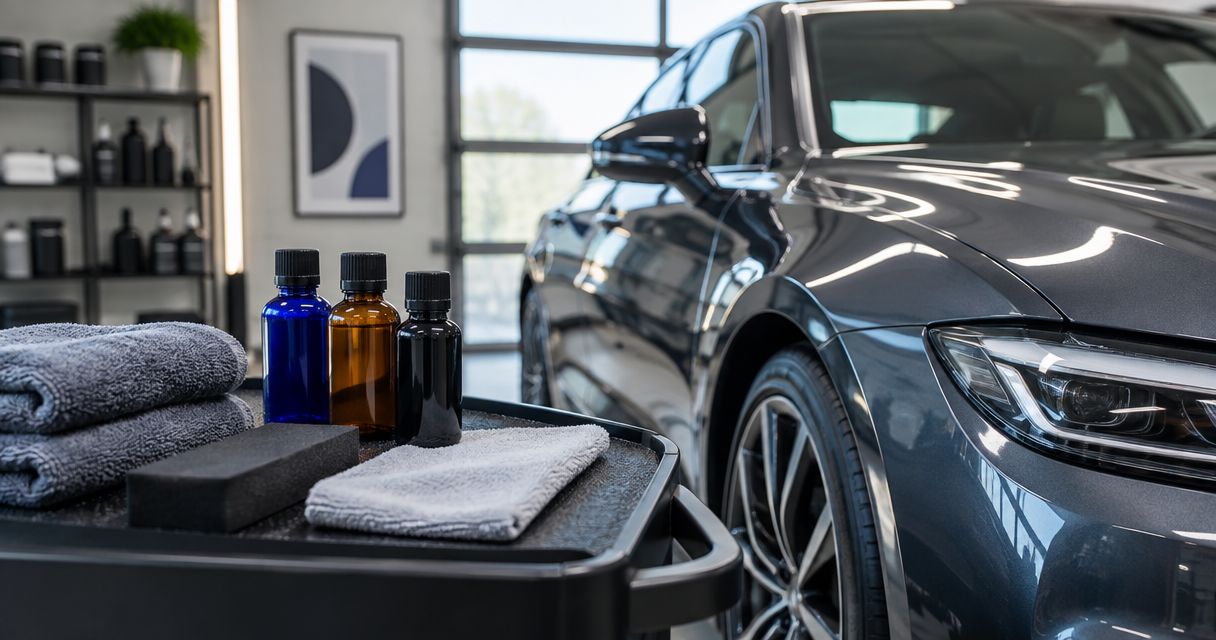
Choosing among the best ceramic coating brands in 2026 comes down to one question: do you want a professional-grade, multi-layer system installed by a trained detailer, or a DIY kit you apply in your own driveway? Best overall: Ceramic Pro. Best for performance and track vehicles: Gtechniq. Best for low-maintenance daily driving: Feynlab. Best budget option: Adam's Polishes.
- Ceramic Pro is the best overall ceramic coating brand for daily-driver paint protection installed by a certified shop in 2026.
- Gtechniq wins for performance and track cars that need the hardest, most chemical-resistant layer available.
- Feynlab's self-healing top coat suits daily drivers who want easier long-term maintenance.
- Adam's Polishes is the best budget ceramic coating brand for owners comfortable applying it themselves.
- Brand name matters less than installer skill — prep work decides whether any ceramic coating brand performs as marketed.
Why this matters
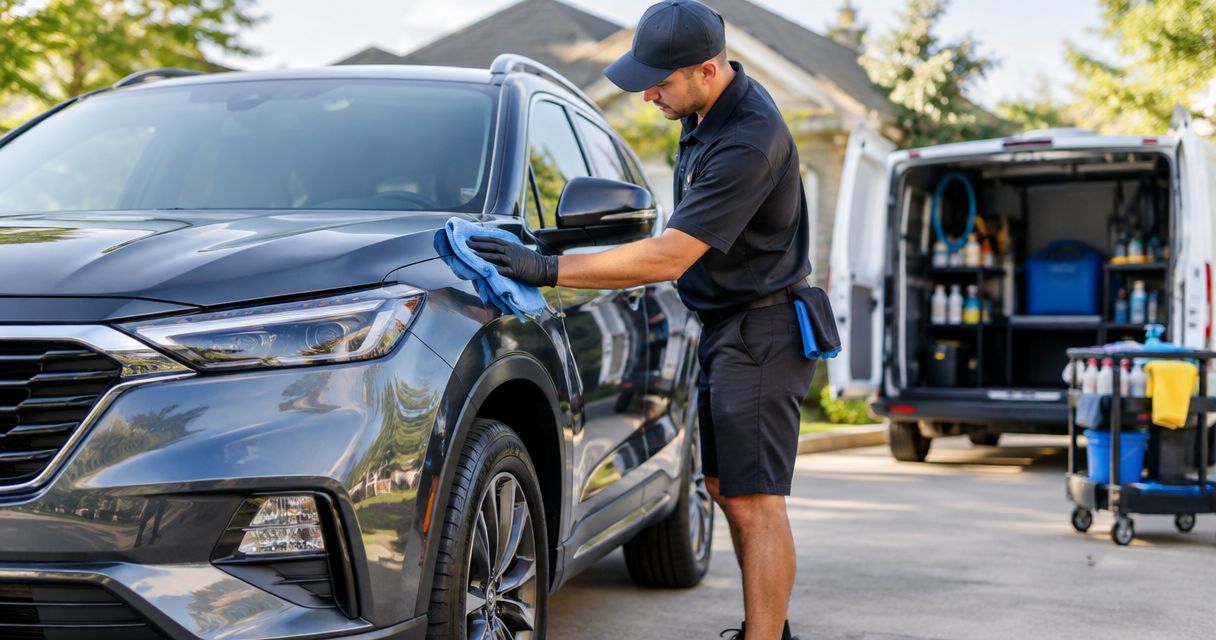
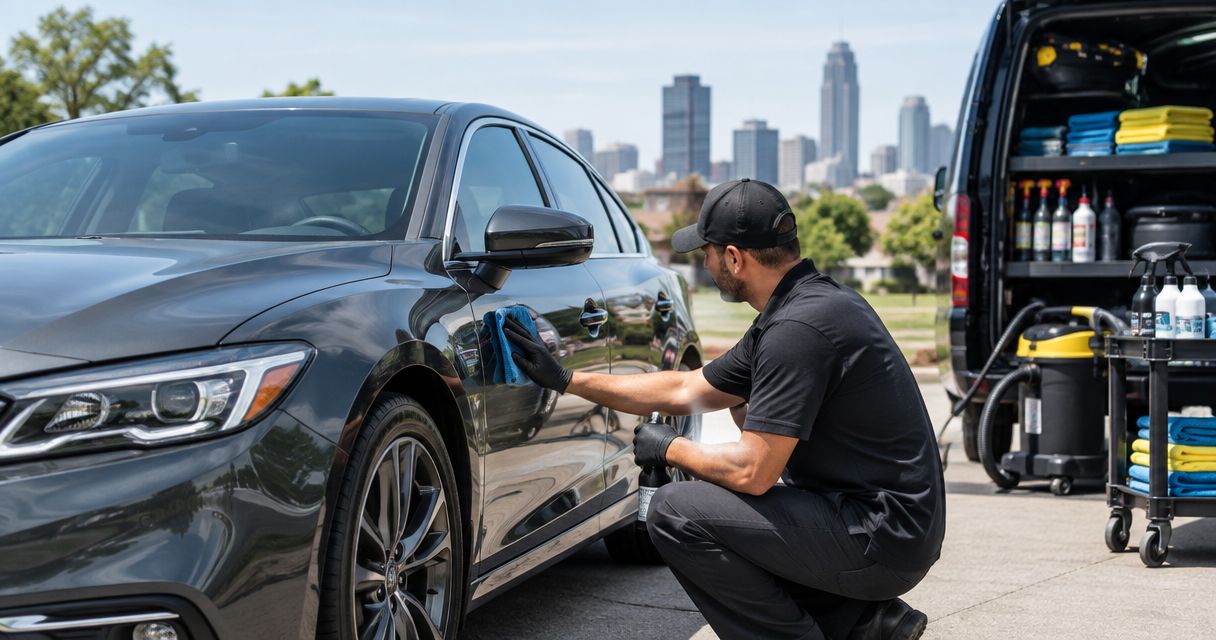
A ceramic coating is only as good as the paint underneath it and the hands that apply it. Royal Touch Mobile Detailing works on vehicles across North Carolina, Virginia, and South Carolina — climates that put UV exposure, pollen, tree sap, and road salt in constant contact with a car's clear coat. That's exactly the kind of environment ceramic coating is built to fight.
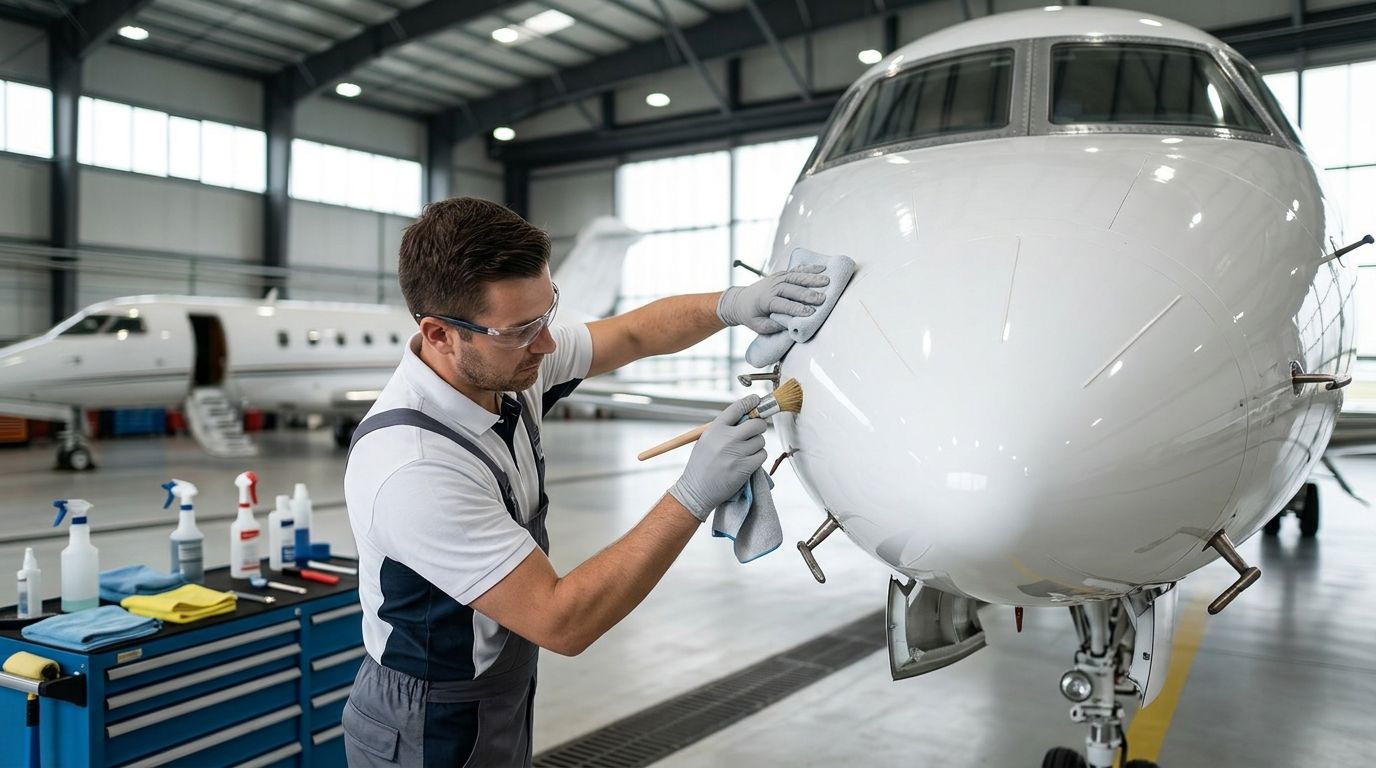
The brand you pick affects hardness, gloss, and how the coating handles water and grime. But the cost of a ceramic coating job also depends heavily on paint correction, vehicle size, and how many layers get applied — not just which bottle the installer opens. Daily drivers, weekend performance cars, and even private aircraft owners are all shopping this same category in 2026, just with different priorities.
What makes the best ceramic coating brand
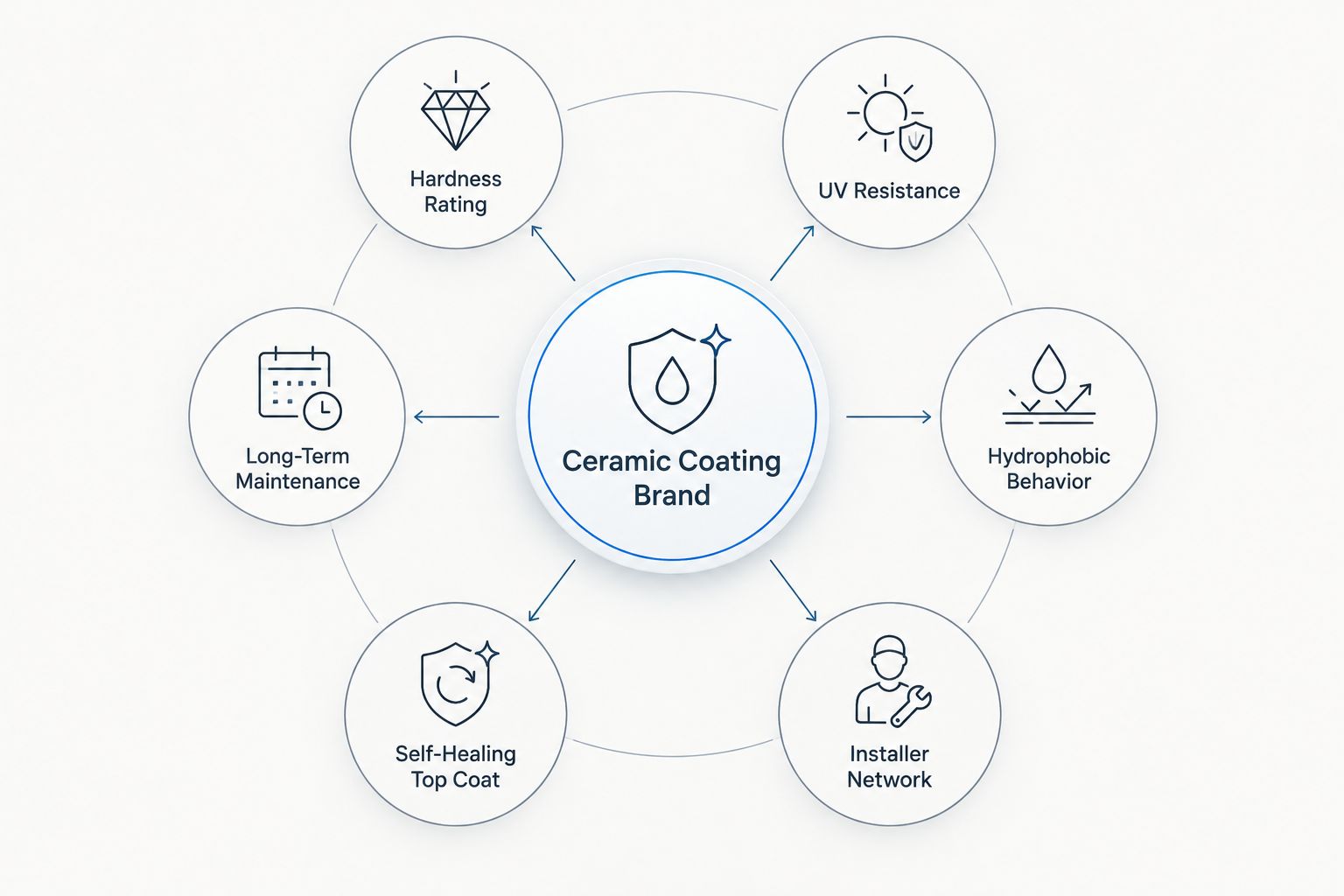
Before ranking anything, here's what separates a strong ceramic coating brand from marketing noise:
- Hardness rating — most professional brands market results on the pencil hardness scale, often cited as 9H, though real-world durability still depends on prep
- UV and oxidation resistance — how well the coating protects clear coat from sun-fade and chalking over multiple years
- Hydrophobic behavior — how aggressively water beads and sheets off, which affects how easily dirt rinses away
- Installer network and standards — professional-only formulas require trained application, which controls consistency
- Self-healing or anti-scratch top coats — some lines use heat to soften light surface marring
- Long-term maintenance — how much upkeep (maintenance washes, boosters) the coating needs to perform as advertised
Ceramic coating brands at a glance
| Brand | Best for | Standout feature | Key limitation |
|---|---|---|---|
| Ceramic Pro | Daily-driver paint protection | Wide certified installer network with tiered systems | Results depend on installer prep quality |
| Gtechniq | Performance and track vehicles | Professional-only formula built for chemical resistance | Costs more to install than consumer kits |
| Feynlab | Low-maintenance daily driving | Self-healing top coat softens light marring with heat | Only addresses light marring, not real scratches |
| CarPro Cquartz | Gloss depth and water beading | Strong hydrophobic "sheeting" finish | Consumer versions trail the pro-grade system |
| Opti-Coat | Dealership-registered warranty programs | Common at new-car delivery with simple registration | Dealership prep quality varies by location |
| Adam's Polishes | DIY budget projects | Lower cost of entry, heavy DIY community support | Durability typically falls short of pro installs |
1. Ceramic Pro: best ceramic coating brand for daily-driver paint protection
Ceramic Pro runs a multi-layer professional system installed through a certified installer network, with tiers that let a shop match protection level to what a customer needs. The layered build approach is one reason it shows up so often in professional detailing shops rather than DIY aisles.
Ceramic Pro pros:
- Wide network of certified installers across the US
- Multiple coating tiers let installers scale protection and cost
- Strong reputation for long-term gloss retention
Ceramic Pro cons:
- Performance depends heavily on installer skill and prep work
- Multi-layer builds take longer to cure between coats
Best for: daily drivers who want a shop-installed, professional-grade coating rather than a self-applied product. Verdict: Buy — through a certified installer, not a DIY kit.
2. Gtechniq: best ceramic coating brand for performance and track vehicles
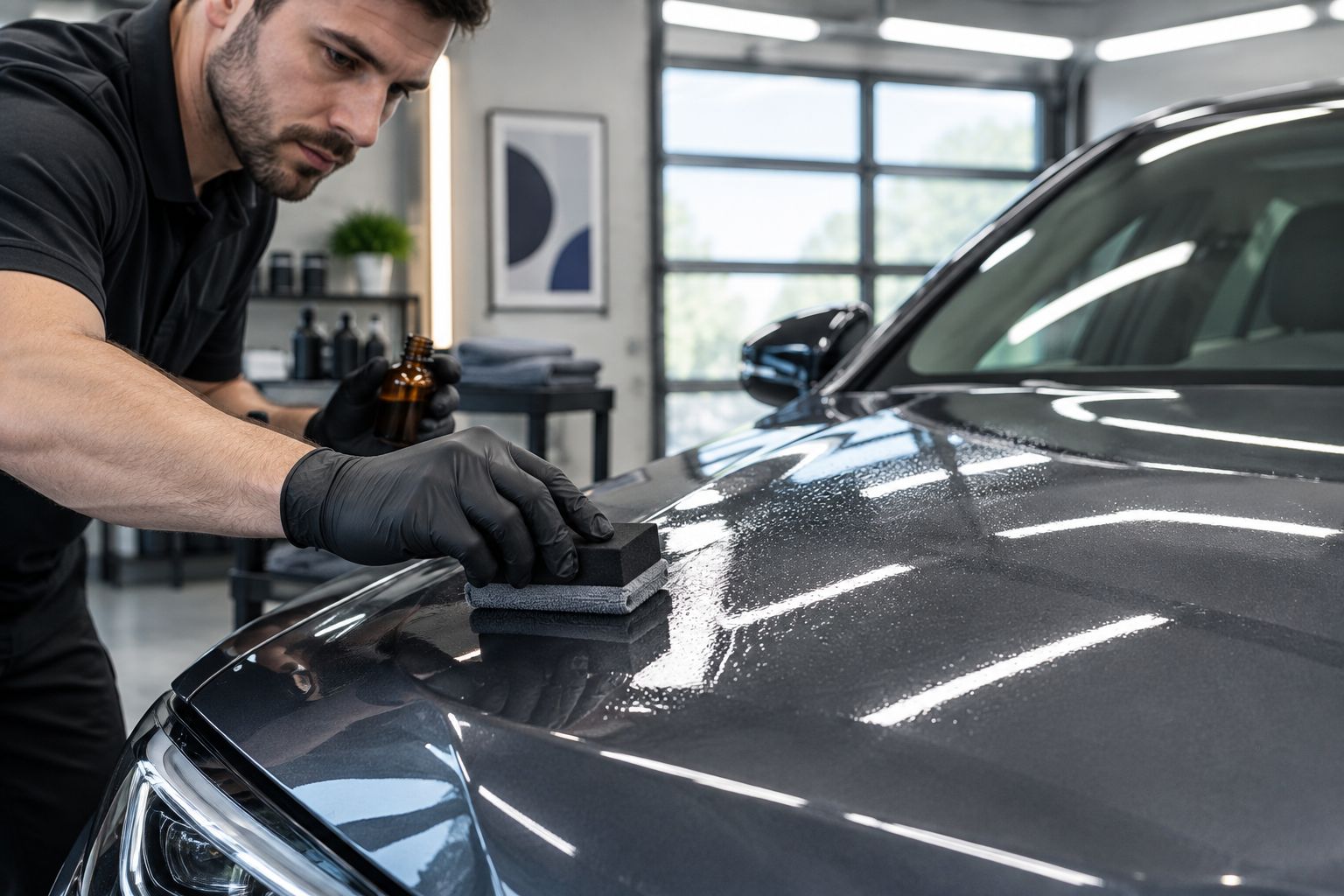
Gtechniq built its reputation on professional-only formulas, most notably Crystal Serum Ultra, marketed around high scratch and chemical resistance for cars that see track days or heavy daily wear. It's a common pick for performance and luxury vehicle owners who push their paint harder than average.
Gtechniq pros:
- Strong professional reputation for chemical and etching resistance
- Professional-only application keeps prep standards consistent
- Add-on products cover wheels and glass, not just body panels
Gtechniq cons:
- Professional-only formulas generally cost more to install than consumer kits
- Results still hinge on the installer's surface prep, not the product alone
Best for: performance and track-driven vehicles that need the hardest available layer. Verdict: Buy for performance owners; Skip if you just want a basic daily-driver seal.
3. Feynlab: best ceramic coating brand for low-maintenance daily driving
Feynlab is known for a self-healing top coat technology that uses heat — sun exposure or a heat gun — to soften minor swirl marks in the clear layer. That makes upkeep noticeably easier for owners who wash their own car regularly.
Feynlab pros:
- Self-healing top coat makes light marring less permanent
- Product lines extend to wheels, glass, and leather
- Growing installer network in 2026
Feynlab cons:
- Self-healing only addresses light surface marring, not deep scratches
- Still requires proper paint correction before application
Best for: daily drivers who want a coating that shrugs off light wash marks with minimal fuss. Verdict: Buy for daily-driver convenience.
4. CarPro Cquartz: best ceramic coating brand for gloss depth and water beading
CarPro's Cquartz line, especially the Finest Reserve version, is popular with professional detailers for the glassy finish and aggressive water-beading behavior it produces. Owners chasing a wet-look show finish gravitate here.
CarPro Cquartz pros:
- Strong hydrophobic sheeting keeps water and grime moving off the surface
- Well-regarded gloss depth
- Available in both professional and consumer-grade versions
CarPro Cquartz cons:
- Consumer versions don't match the durability of the professional multi-stage system
- Results vary meaningfully by installer experience
Best for: owners chasing a wet, glassy look with easy rinse-off maintenance. Verdict: Buy for gloss-focused owners.
5. Opti-Coat: best ceramic coating brand for dealership-registered warranty programs
Opti-Coat shows up frequently at new-car dealerships, often sold as part of a delivery package with a manufacturer-backed registration program run through certified installers. Convenience at the point of sale is the draw here.
Opti-Coat pros:
- Convenient for new-car buyers who want it done at delivery
- Wide dealership and shop network
- Straightforward registration process
Opti-Coat cons:
- Dealership technician prep quality varies by location
- Add-on options and program terms differ by dealer
Best for: new-car buyers who want the coating handled at the point of sale. Verdict: Hold — used-car owners often get more consistent prep from an independent detailer.
6. Adam's Polishes: best ceramic coating brand for DIY budget projects
Adam's Polishes is a consumer-facing detailing brand selling ceramic coating kits built for at-home application, sitting alongside its wash and polish product lines. It's the entry point for owners who want to try ceramic coating without booking a shop.
Adam's Polishes pros:
- Lower cost of entry since you apply it yourself
- Widely available online with heavy DIY community support
- Solid instructional content for first-time users
Adam's Polishes cons:
- DIY application skips the paint correction and controlled-environment prep a professional applies
- Durability typically falls short of professionally installed systems
Best for: budget-minded owners comfortable handling their own prep and application. Verdict: Buy for a DIY budget project; Skip if you want multi-year, professional-grade protection.
How we ranked
Each brand above gets measured against the same six factors: hardness rating, UV and oxidation resistance, hydrophobic performance, installer network and standards, self-healing top coat behavior, and long-term maintenance demand. Ceramic Pro tops the list for balancing all six for a daily driver; Gtechniq and Feynlab pull ahead on specific factors (hardness and self-healing, respectively); Adam's Polishes ranks last on durability but first on accessibility.
Which ceramic coating brand should you choose?
For most daily drivers in 2026, Ceramic Pro installed by a trained detailer is the safest default — it balances gloss, protection, and installer availability. Performance and track owners should lean toward Gtechniq for the added hardness and chemical resistance. Owners who hate maintenance should look at Feynlab's self-healing top coat. If budget is the only constraint and you're willing to do the prep yourself, Adam's Polishes is the reasonable DIY pick.
Whatever brand a shop uses, the application matters as much as the label. Paint correction before coating, controlled application conditions, and proper cure time decide whether a ceramic coating performs anywhere near what the brand markets — whether it's going on a daily-driver sedan, a weekend performance car, or a private aircraft.
Book professional ceramic coating
Get paint correction and a ceramic coating done right the first time.
FAQ
What's the best ceramic coating brand overall in 2026?
Ceramic Pro is the best overall ceramic coating brand in 2026 for daily-driver paint protection installed through a certified shop. Its tiered system lets an installer scale protection level and layer count to the vehicle.
Is Gtechniq better than Ceramic Pro for daily driving?
Gtechniq is built more for performance and track vehicles that need extra chemical and scratch resistance. For a typical daily driver, Ceramic Pro's tiered installer network usually offers more flexibility.
How much does ceramic coating cost in 2026?
Ceramic coating cost varies by vehicle size, coating brand and tier, and how much paint correction the vehicle needs before application. Get a specific quote from a professional installer rather than relying on a flat number.
Can you apply a DIY ceramic coating over a professional coating?
No, layering a DIY kit over an existing professional coating usually just adds a temporary topper rather than real added protection. Removing and reapplying properly is the safer route if a coating has worn down.
How long does a professional ceramic coating last compared to a DIY kit?
Professional multi-stage systems are generally marketed for multi-year protection, while DIY kits are typically positioned for shorter maintenance cycles. Actual longevity depends on washing habits, garaging, and climate exposure.
Does a harder ceramic coating protect better?
A higher hardness rating helps resist light scratching and marring, but it doesn't replace proper paint correction or UV protection. Hardness is one factor among several, not the whole picture.
Is ceramic coating worth it for a daily driver?
Yes, for daily drivers exposed to sun, pollen, and road grime, ceramic coating cuts down on oxidation and makes washing easier. The value shows up most in vehicles that get driven and washed regularly rather than garage-kept show cars.
What is self-healing ceramic coating?
Self-healing ceramic coating, like Feynlab's top coat, uses heat from the sun or a heat gun to soften and smooth out light surface marring. It doesn't fix deep scratches, but it reduces the appearance of fine wash-induced swirls over time.
One last thing
No ceramic coating brand, no matter how hard its rating, fixes swirls or scratches already in the paint — it seals whatever condition the surface is in when it's applied. Skipping paint correction before coating is the single most common reason a coating job disappoints an owner in year one, regardless of which brand went on.